
Spring Survival Tips
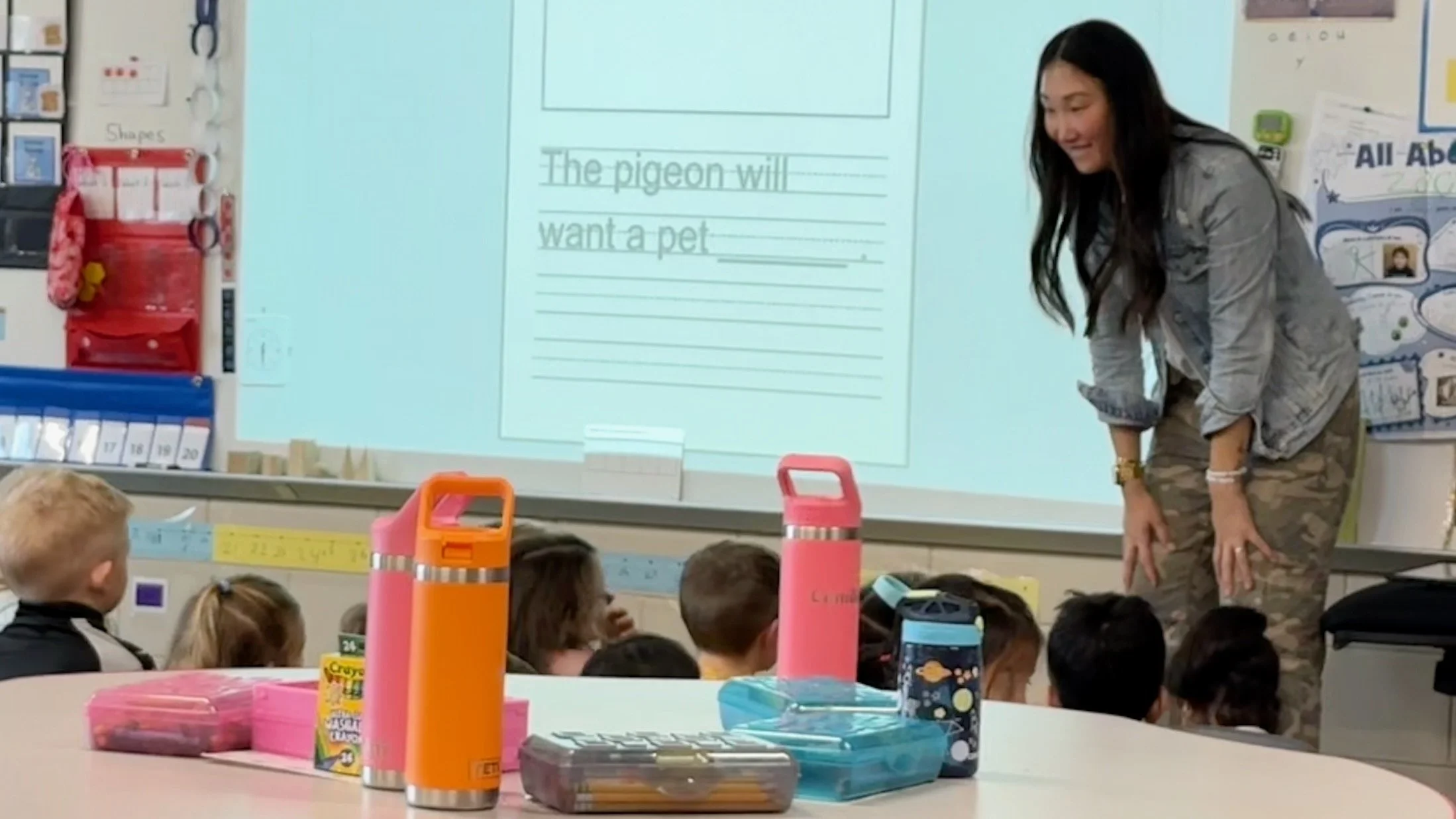
IMAGE: Teacher enjoying a silly moment with students.
Spring is an energetic time of year that can bring both joy and stress. Here are 5 tips for not only surviving but thriving during the last few weeks of the school year:
Decrease direct instruction.
The more time the teacher spends up front when they’re already tired drains their energy even more and makes it harder to be patient with students’ high energy. Instead, direct their energy toward meaningful collaborative or independent activities. For example: replace a teacher-facilitated large group discussion with small group discussion where each group documents their ideas.
Carry a small whiteboard and marker everywhere.
Teachers in the spring often find themselves repeating the same directions out loud several times. Every repetition drains energy and increases frustration. For example: Replace verbal reminders to get out materials with a quick list on the board and take a lap around the room with it.
Laugh more.
When people are tired, they’re more likely to get stuck in a cycle of negative emotions. To counteract the exhaustion, build in moments where laughter can happen. This could be planned, or it could be in response to the natural moments of humor that happen throughout the day. For example: Choose a funny meme or video to show, invite students to write and share jokes, complete a class Mad Lib, or take a brief dance party break.
Stay in the moment.
Though it’s easy to count down the days, many students’ stress goes way up when they think about the transition away from the security and predictability of school. Instead, focus on celebrating the time that you have left. For example: Make a list of special activities the class wants to do together before school ends and keep track as each item is completed.
Refresh your Foundational Catalyst Skills.
When teachers’ energy is low, it is easy to lose one or more components of the skills they normally have as habits. Self-assess or have a coach help you identify the things that may be getting lost because of stress. Need a review? Visit www.TheCatalystApproach.com for classes and resources.
